
Leasing a Car in Michigan: Taxes, No-Fault Insurance & Incentives (2026)
Vehicle Leasing and Financing Simplified
Leasing a car in Michigan comes with a few wrinkles you won't find in most other states — a flat statewide sales tax, a No-Fault insurance requirement before you can even plate the vehicle, and a registration fee that scales with the vehicle's sticker price rather than a flat rate. None of it is complicated once you know the rules. This page walks through the tax math, the legal protections you already have as a lessee, and the incentives that are actually still active in 2026, so you can compare offers on Auto Bandit's home page with the full picture in front of you.
What It Actually Costs to Lease in Michigan
Sales tax
Michigan charges a flat 6% use tax statewide — no city or county add-ons, so a lease in Marquette is taxed at the same rate as one in Detroit. On a lease, that 6% applies to your monthly payment rather than the full price of the vehicle, which is one of the clearer reasons leasing lowers your upfront tax bill compared to buying outright.
The trade-in credit applies to purchases, not leases
If you're financing or buying a car, Michigan gives you a sales-tax credit for your trade-in value, up to a cap that climbs $1,000 every January 1st. For 2026, that cap is $12,000 (it was $11,000 in 2025, and it keeps rising until it's uncapped in 2029). Here's the part that catches people off guard: this credit is a sales-tax mechanism, and Michigan taxes leases under the state's use tax instead. The Secretary of State's own guidance on the program is explicit that the trade-in credit doesn't extend to lease transactions. Your trade-in can still lower your monthly payment the way any down payment would — it just isn't reducing your tax bill the way it would on a purchase, so it's worth asking a dealer to show you exactly where the trade-in value is landing on your lease worksheet.
Registration
Michigan's annual registration fee isn't a flat number — it's based on the vehicle's original MSRP when new, run through a bracket schedule set out in state law, and it steps down over the first few renewal years before levelling off at a lower permanent rate. Because it's bracket-based rather than a straight percentage, the fee on your specific vehicle can vary more than a rule-of-thumb estimate would suggest. Electric vehicles carry an additional flat $267/year registration surcharge, and plug-in hybrids pay $113/year, effective January 1, 2026 — both figures are tied to the state's motor fuel tax rate, so they can move again in future years.
Title, plates, and what's negotiable
A one-time $15 title fee applies to every vehicle, new or used.
A new plate runs about $5; transferring a plate you already own from a previous vehicle costs a little more.
Documentation fees and other dealer add-ons aren't set by the state — they vary dealer to dealer. Ask for them itemized before you sign on a lease or a purchase.
Figures verified against the Michigan Department of Treasury and Michigan Department of State as of September 2026. Tax and fee rules change — always confirm your exact numbers with the Secretary of State before signing.
Michigan Lease Laws Worth Knowing
No-Fault insurance is mandatory before you can plate the car
Michigan is a No-Fault insurance state, and passenger vehicles, vans, and light trucks all have to carry Michigan No-Fault coverage to be registered — an out-of-state policy won't clear the counter at the Secretary of State. If you're relocating to Michigan with a lease already in place, get your insurance switched over before your next registration renewal, not after.
The Lemon Law covers leased vehicles, not just purchases
Under Michigan's New Motor Vehicle Warranties Act, if a new leased vehicle has a substantial defect that can't be fixed after a reasonable number of repair attempts, you're entitled to a refund of the lease payments you've made — or, in some cases, a replacement vehicle. The manufacturer has to be notified in writing first, and some manufacturers require arbitration before a lawsuit; the Attorney General's Consumer Protection office publishes a plain-language walkthrough of the process, including the BBB Auto Line arbitration program many manufacturers participate in.
Other protections stack on top
Beyond the Lemon Law, Michigan lessees can also lean on the Michigan Consumer Protection Act if a dealer misrepresents lease terms. It isn't a lease-specific law, but it applies just the same, and it's a useful backstop if something in your paperwork doesn't match what you were told at signing.
EV Incentives in Michigan: What's Real Right Now
The federal EV tax credit expired on September 30, 2025, and it hasn't returned. A state-level EV rebate has been proposed in Lansing more than once, but as of this writing it hasn't been signed into law — so unlike some neighbouring states, Michigan currently has no statewide purchase or lease rebate for EVs.
What is live: both of Michigan's largest utilities run home-charger rebates. DTE Energy's Home EV Charger Rebate pays $500 toward a Level 2 charger installation for qualifying residential customers who buy or lease an EV or plug-in hybrid, with income-qualified households eligible for more. Consumers Energy's PowerMIDrive program pays the same $500 baseline — up to $1,000 for income-qualified customers — plus a reduced overnight electricity rate for home charging. A handful of municipal utilities offer smaller versions of the same rebate. None of this reduces the lease payment itself, but it's a real, stackable discount on the day-to-day cost of running the car, and it's worth asking your utility about before you finalize a lease.
Why Lease Deals Run Deep in Michigan
Ford, GM, and Stellantis are all headquartered in Michigan, and that shows up in the lease math more than most shoppers realize. Manufacturer-backed lease incentives — the subsidized money factors and residual-value bumps that push a monthly payment down — tend to run deepest on the home team's own trucks and SUVs, and Michigan dealers typically see those offers first. That's part of why F-150, Silverado, and Ram 1500 lease specials in this state are often sharper than the same trim gets elsewhere.
It also means the local used and off-lease market skews toward exactly the vehicles Michigan drivers already want — trucks and all-wheel-drive SUVs built for snow, salt, and long winter commutes — which keeps residual values, and therefore lease payments, more predictable than in states with thinner truck inventory.
Credit Tiers at a Glance
| Credit Tier | Score Range | Typical New-Vehicle APR | Notes |
|---|---|---|---|
| Excellent | 720+ | ~4.7%–5.2% | Best available terms and the widest choice of lenders |
| Good | 650–719 | ~5.0%–8.0% | Certified pre-owned financing programs widely available |
| Fair | 580–649 | ~8%–15% | A larger down payment meaningfully lowers total cost |
| Poor | Below 580 | ~15%–25% | Co-signer or secured-loan options are worth exploring |
Rates shift with the market. For a fuller breakdown by lender type and tips for each credit tier, see our Car Buying and Financing FAQ.
Top Michigan Car Lease Specials
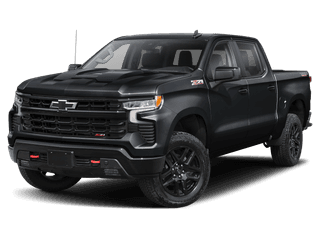
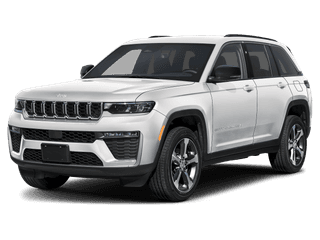
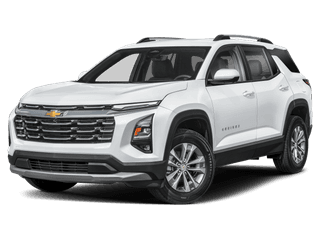
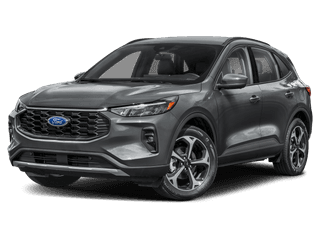
Best Deals Available Now in Michigan
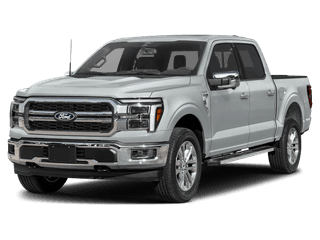
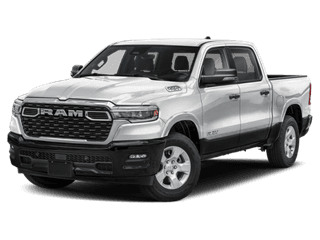
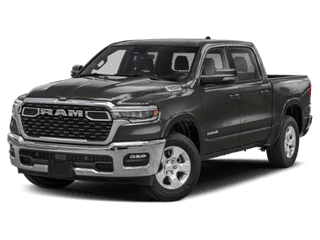
Sources & Methodology
This page's tax, fee, and legal information is checked against primary Michigan government sources rather than second-hand summaries:
Michigan Department of Treasury — Vehicle Sales Tax Trade-in Credit FAQ
Michigan Legislature — New Motor Vehicle Warranties Act (Lemon Law), MCL 257.1401–257.1410
Michigan Department of State — License Plates, Tabs, and the No-Fault insurance requirement
Last verified: September 2026. Tax rates, incentive programs, and legal provisions change over time; this page is educational and isn't legal, tax, or financial advice.
Frequently Asked Questions
Does my trade-in reduce the tax on a Michigan lease?
No — this is one of the more common mix-ups. Michigan's trade-in tax credit applies to vehicle purchases taxed under the state's sales tax statute. Leases are taxed under the use tax instead, and Michigan's own guidance confirms the trade-in credit doesn't carry over to lease transactions. Your trade-in can still be applied like a down payment to lower your monthly cost — it just isn't cutting your tax bill the way it would on a purchase.
Do I need special car insurance to lease in Michigan?
You need Michigan No-Fault insurance, the same as if you owned the car outright — an out-of-state policy won't let you register or plate a leased vehicle here. It's also worth confirming gap coverage with your leasing company; it's often built into the lease, but don't assume it without checking.
What happens if my leased car turns out to be a lemon?
Michigan's Lemon Law applies to new leased vehicles, not just purchases. If a substantial defect can't be fixed after a reasonable number of attempts, you can be entitled to a refund of what you've paid on the lease. You'll need to report the defect to the manufacturer in writing, and you may need to go through arbitration first — the Attorney General's Consumer Protection office has the step-by-step version.
Are there still EV lease incentives in Michigan in 2026?
Not from the state itself — a Michigan EV rebate has been proposed but not passed, and the federal credit expired in September 2025. What's still active are utility rebates: DTE Energy and Consumers Energy both pay $500 (more for income-qualified households) toward a home Level 2 charger if you lease or buy an EV or plug-in hybrid.
How is Michigan's registration fee actually calculated?
It's based on your vehicle's original MSRP, run through a bracket schedule, and it steps down over the first several renewal years before settling at a lower permanent rate. Because it isn't a flat percentage, the cleanest way to get your exact number is the Secretary of State's own registration tools rather than a rule-of-thumb estimate.
Is it better to lease or buy in Michigan specifically?
The underlying math isn't wildly different from other states, but two Michigan-specific facts nudge things slightly toward leasing for a lot of drivers here: road salt and freeze-thaw cycles are hard on vehicles over time, and the trade-in tax credit — a real perk for buyers — doesn't apply to leases anyway, so it isn't something you're giving up by choosing to lease instead.
How Auto Bandit Works
Auto Bandit takes the stress out of finding the best car deals by offering clear, competitive leasing and financing options. Whether you’re looking for a new or used vehicle, our platform connects you with the top offers in Michigan, ensuring a simple and straightforward process every step of the way. Start exploring today to see how Auto Bandit can help you drive off in your next vehicle.
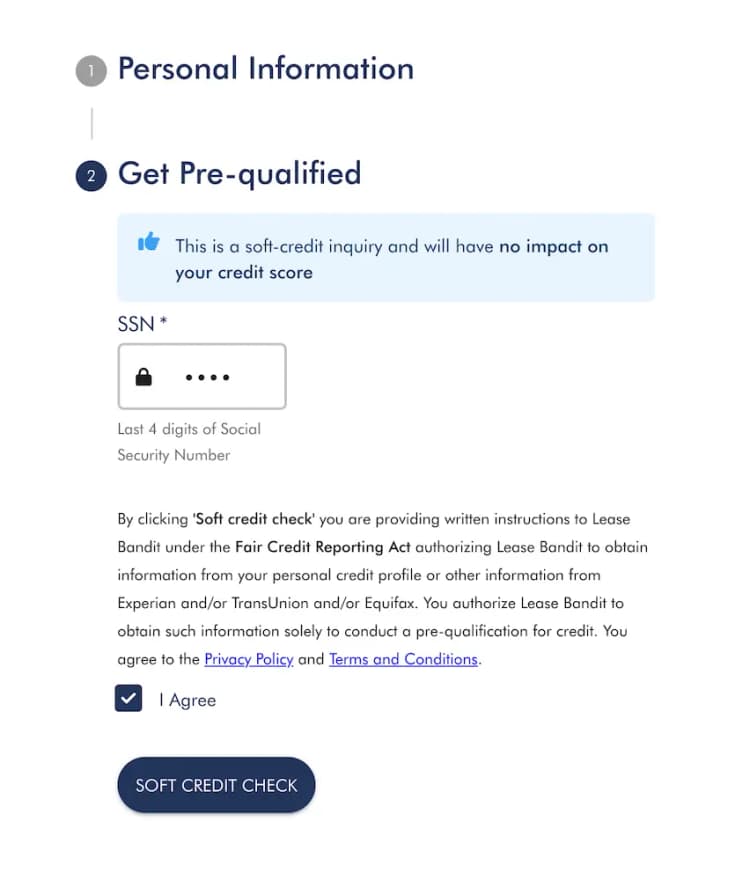
Create an account and fill in your information
Sign up with your email and zipcode. We need your credit tier to provide accurate prices
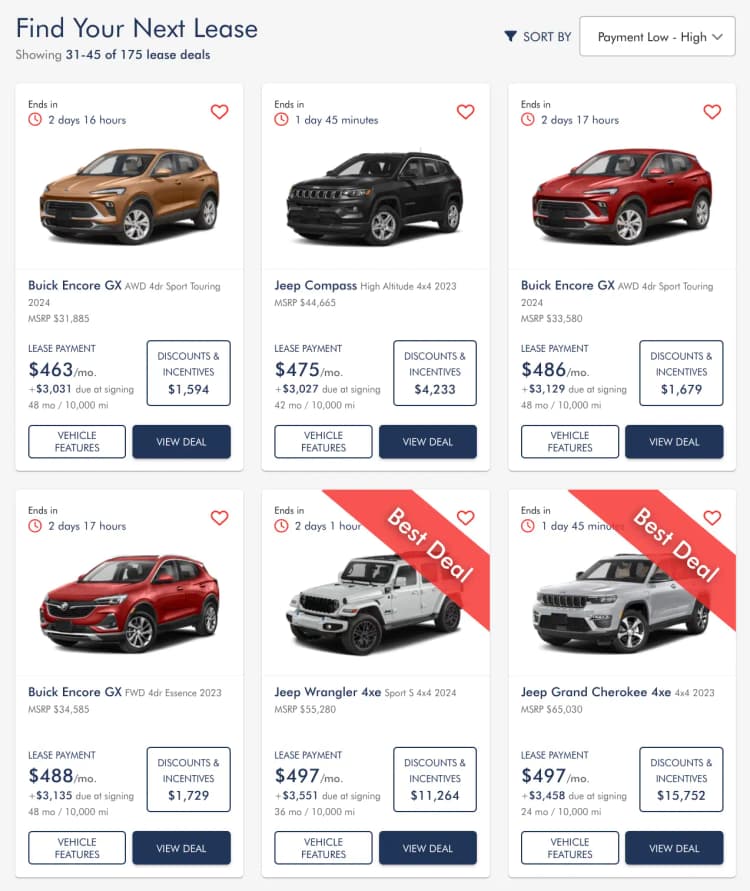
Find your vehicle
Search for vehicles by the year, make, model or even option packages you want
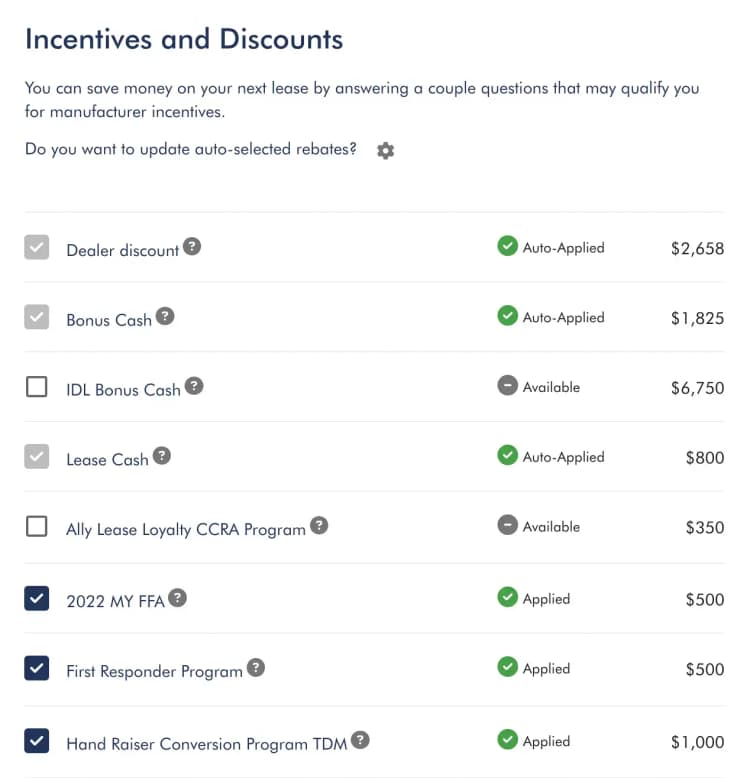
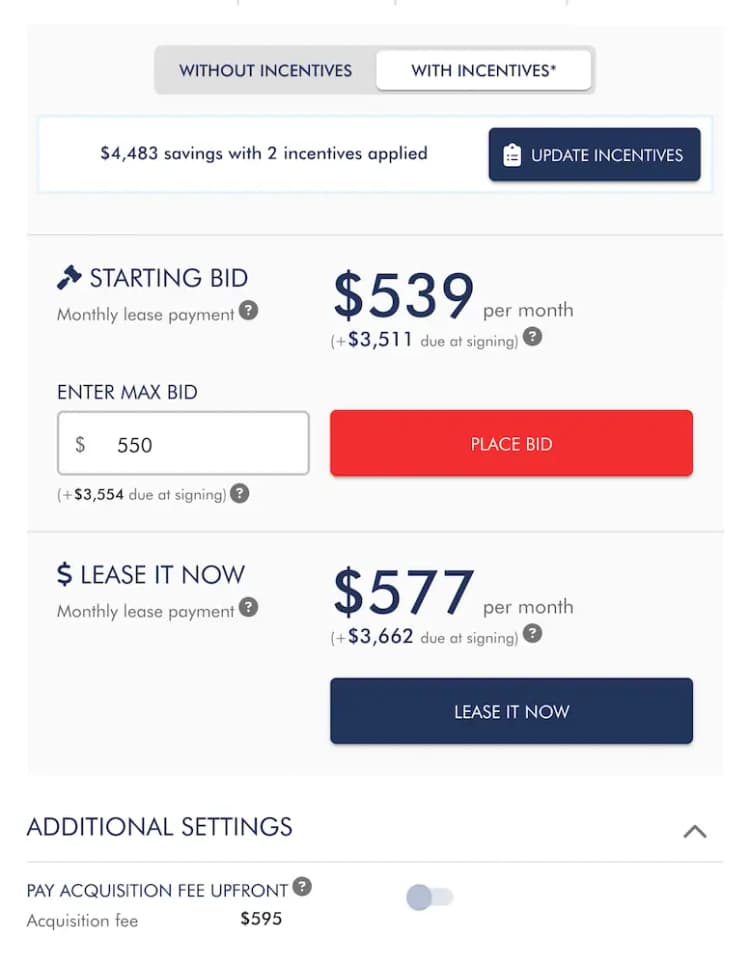
Apply incentives and rebates
Answer some simple questions to take advantage of incentives and rebates
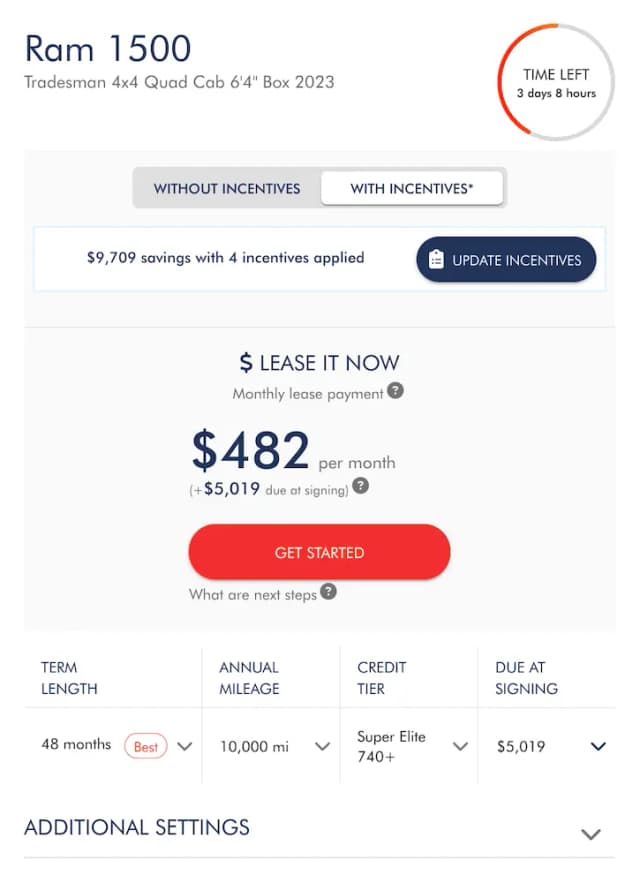
Set your leasing terms and get a great deal
Whether you choose to lease or finance, adjust your term length, mileage, down payment, and other conditions to find the perfect plan. Enjoy flexible options tailored to your needs and drive away with confidence.
Explore Leasing and Financing Options
Discover your perfect vehicle through flexible leasing and financing options, with great deals tailored to your needs.
Zero Down Lease Options in Major Michigan Cities
Lease or Finance a Car Near You

